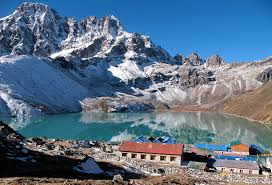

Everest Base Camp Trek

Everest Base Camp Trek

$1500.00/Person
At a Glance
duration
Trip Duration
16 Days
difficulty
Difficulty Level
Moderate
season
Best Season
Mar-May / Sept - Dec
Overview

The Everest Base Camp Trek (EBC Trek) is a legendary trekking adventure that draws thousands of trekkers from around the world to experience the breathtaking beauty of the Himalayas. As one of the most popular trekking destinations, the Everest Base Camp Trek offers an unparalleled opportunity to witness the grandeur of Mount Everest, the world's highest peak, and immerse yourself in the rich Sherpa culture. This trek is not only a physically challenging journey but also a spiritual and cultural exploration that takes trekkers through remote villages, Buddhist monasteries, and scenic landscapes.

Why Choose Everest Base Camp Trek?

Trekking in Nepal is an experience like no other, and the Everest Base Camp Trek is at the top of the list for many adventurers. The trek provides the chance to stand at the base of Mount Everest (5,364 meters) and experience firsthand the stunning beauty of the Khumbu region. Whether you're a seasoned trekker or a beginner looking to challenge yourself, the EBC Trek offers a rewarding experience with every step.

Trekking Itinerary for Everest Base Camp Trek:

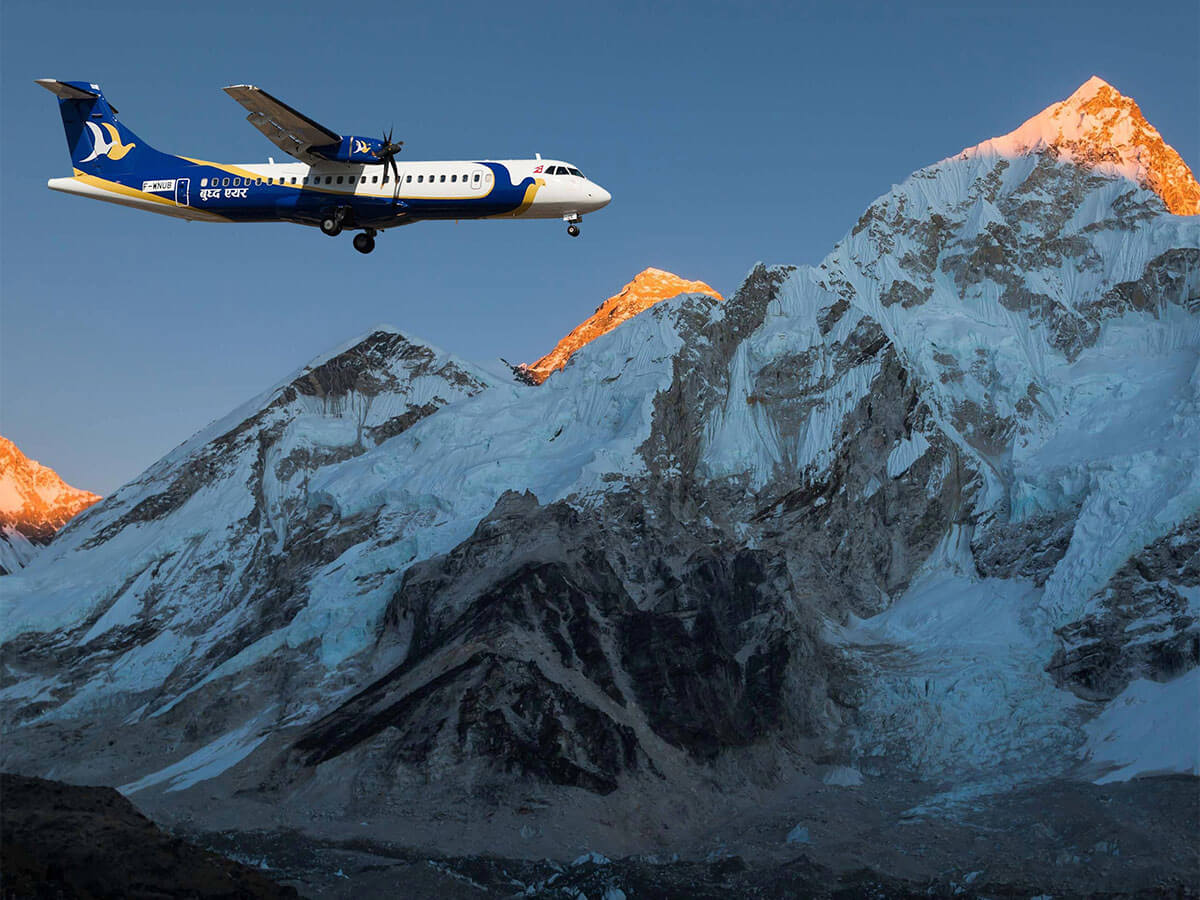
The trek starts with a scenic flight to Lukla, a small mountain airstrip that marks the beginning of your journey. From there, you will trek through Namche Bazaar, a bustling Sherpa town where you can acclimatize and enjoy panoramic views of the Himalayas. Over the next few days, the Everest Base Camp Trek takes you through beautiful forests, across rivers, and up steep mountain trails, all while passing traditional villages like Tengboche and Dingboche. Along the way, trekkers will experience the hospitality of the Sherpa people, visit ancient monasteries, and enjoy mesmerizing views of the towering peaks.

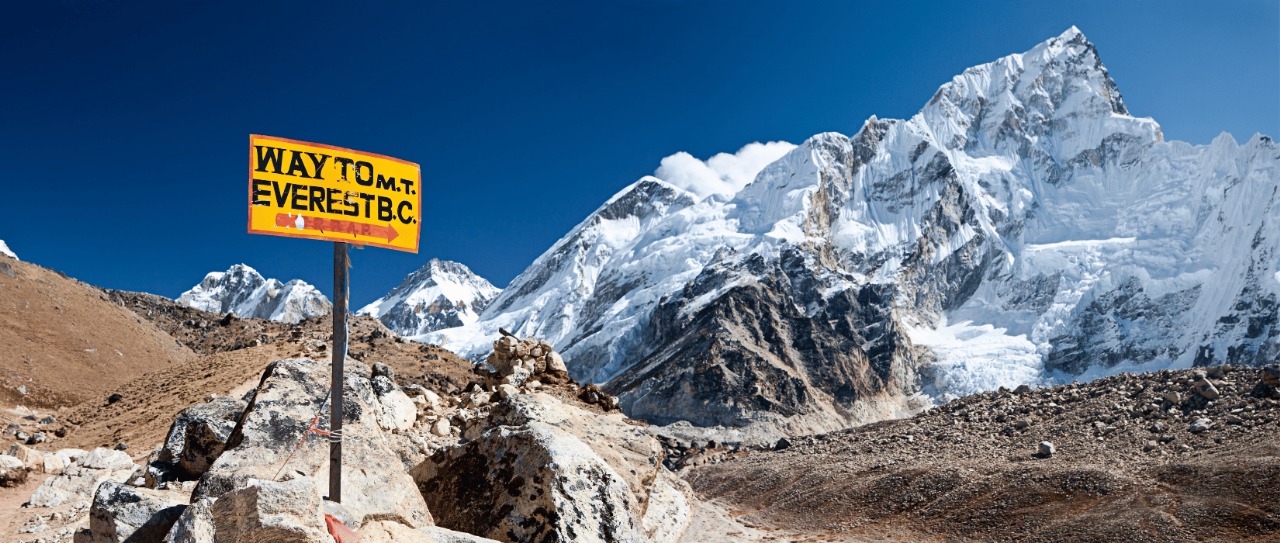
After several days of gradual acclimatization and trekking, you'll reach Everest Base Camp (EBC), a milestone for trekkers from all over the globe. Here, you can bask in the glory of Mount Everest, Lhotse, Makalu, and other stunning peaks. For a truly unforgettable experience, trekkers can also hike up to Kala Patthar (5,545 meters), a viewpoint that offers the most dramatic and stunning views of Everest and the surrounding mountains, especially at sunrise.

Key Features of Everest Base Camp Trek:

  • Stunning Views of Everest and Other Himalayan Peaks: The trek offers breathtaking views of Mount Everest, Lhotse, Makalu, Cho Oyu, and several other towering peaks.
  • Cultural Immersion: Experience the unique Sherpa culture by visiting traditional villages, monasteries, and learning about the life of the people in the Khumbu region.
  • Everest Base Camp: Stand at the iconic base camp of Mount Everest, where climbers prepare for their ascent, and enjoy the views of glaciers and icefalls.
  • Kala Patthar Sunrise View: Trek up to Kala Patthar for a mesmerizing sunrise view of Mount Everest and the surrounding Himalayan range.
  • Acclimatization and Health: The trek is designed to allow proper acclimatization, helping trekkers avoid altitude sickness while also maximizing the experience at high altitudes.
  • Sagarmatha National Park: Trek through the UNESCO World Heritage-listed Sagarmatha National Park, a protected area home to diverse flora and fauna, as well as the rich natural beauty of the region.

Why Trekking in Nepal Is Special:

The Everest Base Camp Trek is just one of the many trekking in Nepal opportunities, but it stands out for its challenging terrain, breathtaking scenery, and the chance to experience the highest mountain in the world up close. Trekking in Nepal offers a unique opportunity to explore a variety of landscapes, from subtropical forests to alpine meadows, all while surrounded by some of the highest peaks in the world.

Whether you're looking for a cultural adventure, a physical challenge, or simply want to witness the awe-inspiring beauty of the Himalayas, the Everest Base Camp Trek is a bucket-list experience that should not be missed.
Itinerary
Day 1:
Fly from Kathmandu to Lukla, Trek to Phakding (4 hrs)

We start the morning with an early flight to Tenzing-Hillary Airport (2,860 m / 9,383 ft). Lukla flights operate in the morning, typically between 6:00 and 11:00 am.

Depending on the season, Lukla flights depart from Kathmandu or Ramechhap (Manthali Airport). The Kathmandu–Lukla flight takes 25–40 minutes, while the Manthali–Lukla flight is 15–20 minutes. During peak trekking seasons (September–November and March–May), flights usually operate from Ramechhap due to heavy traffic at Kathmandu Airport (TIA).

When the flight is scheduled to depart from Ramechhap (i.e., an indirect flight to Lukla), trekkers drive 5 hours to Ramechhap. We leave Kathmandu around 1 a.m. to reach Manthali Airport for the morning flight (around 137 km distance). 

The landing in Lukla is always a moment you remember, with the small runway sitting right on the mountainside and the peaks coming into view as you touch down.

After arrival, you’ll meet your porter team and visit the Sir Edmund Hillary and Tenzing Norgay statue. The trail then follows the Dudh Koshi River through Sherpa settlements, prayer flags, and pine forests. You’ll cross your first suspension bridge, enjoy views of Kusum Kanguru, and reach Phakding for your first night in the mountains.

Rimishung Monastery is a significant attraction in Phakding. It takes about 30 minutes to reach the monastery from your guesthouse.

Max Elevation: (2,860 m / 9,383 ft)lukla to phakding 2610m /8563f
Duration: 3/4 hour
Distance: 6.2km(3.9miles
Accommodation: Teahouse
Meals: Breakfast, Lunch, and Dinner
Day 2:
Trek to Namche

We will take the north track that ascends to the Benkar valley followed by the lovely pine forest. Then, we cross the Dudh Koshi River and proceed to walk through the communities of Chumao and Monjo to reach the SAGARMATHA National Park's entrance.

We will get our permit checked and after that, we proceed across the Tenzing Hilary suspension bridge towards Jorsale village following Dudh Koshi and Bhote Koshi Rivers' extension. We ascend steeply to reach Namche Bazaar, the Khumbu region's hub. Enjoy the spectacular views of Mount Everest and Mount Lhotse as you walk the trail.

Max Elevation: 3440m
Duration: 6 to 7 hour according to trekker pace
Distance: 11km
Accommodation: Teahouse
Meals: Breakfast, Lunch, and Dinner
Day 3:
ACCLIMATIZATION AND Rest Day at Namche and Hike to Everest view Hotel

Today’s acclimatisation day starts with a late breakfast, followed by a short walk above Namche, then a forested path to the Sagarmatha National Park Museum. The ridge features the bronze statue of Tenzing Norgay Sherpa, holding his ice axe toward the mountain skyline. Clear mornings reveal Everest, Lhotse, Ama Dablam, and Thamserku.

The museum displays Sherpa history, early Everest expeditions, traditional tools, and vintage climbing gear, offering insight into how local life and mountaineering evolved.

A gentle 35-minute climb continues to Sagarmatha Next, a conservation centre that turns collected waste into artwork and recycled products. Trekkers can watch a short documentary and try a VR experience that explains their environmental mission. 

You can also participate in this initiative by carrying a 1-kg Carry Me Back Backpack from the Pangboche (day 12) or Namche checkpoint (day 13) and dropping it off at the Lukla Checkpoint (day 13) on your return from the Everest Base Camp Trek.

After half an hour hike, you can also visit Syangboche Airstrip. Though often thought abandoned, it still supports charter flights, supply runs, and local logistics.

The ridge then leads to the Sherpa Panorama Hotel, which offers expansive Himalayan views and a quiet place to rest before the final stretch of the ridge. A short walk farther brings you to the Hotel Everest View. This Japanese-built lodge holds a Guinness World Record as the highest-elevation luxury hotel, offering views of Everest, Lhotse, Ama Dablam, Kangtega, and Thamserku. Trekkers often enjoy tea or coffee on the terrace while taking in the scenery.

If you choose to visit Khumjung, the walk from Everest View Hotel descends gently, passing the green-roofed Hillary School before reaching the monastery, famous for its Yeti scalp on display in a glass case. Please note that the Khumjung hike is optional and should be discussed with our guide.

Max Elevation: 3880M
Duration: 3/4 hour
Distance: 4.2KM/2.6 MILES
Accommodation: Teahouse
Meals: Breakfast, Lunch, and Dinner

Trip Inclusions

  • All ground transport in a private vehicle, including airport transfers.
  • Four nights' accommodation with breakfast at a 3-star category hotel in Kathmandu.
  • Three daily meals with tea/coffee (breakfast, lunch, and dinner) during the trek.
  • Best available twin-sharing lodge for accommodation during the trek. Private bathrooms with hot showers are provided at Phakding, Namche, and Lukla.
  • Snacks of seasonal fruits during the trek.
  • One highly experienced, helpful, and friendly guide. Porters (1 porter for two people) including their food, accommodation, salary, and equipment. Accident insurance for all staff.
  • Round-trip to/from Lukla, including transfers. (Flights operate via Ramechhap Airport during peak season).
  • Use of down jacket and sleeping bag while trekking.
  • Duffle bag for trekking.
  • Trekking map and trip achievement certificate.
  • First aid medicine kit, including an oximeter to monitor oxygen level and heartbeat.
  • All necessary paperwork and permits, including Sagarmatha National Park entry permit fee (Please bring two passport-size photos for the permit).
  • Government taxes & office service charges.
  • Lunches and dinners while in Kathmandu.
  • Personal travel insurance.
  • International airfare.
  • Nepal entry visa.
  • Snacks and other personal expenses.
  • Hot showers during the trek, except in Phakding, Namche, and Lukla.
  • Personal trekking equipment.
  • Wi-Fi internet and phone calls unless they are free.
  • Tips and gratuities for trekking staff and drivers.

Departure dates

Start Date
End Date
Price
Status

No available dates

Departure dates

No available dates

Useful Informations

Embarking on the Everest Base Camp Trek is an exciting and challenging adventure. To ensure you have a safe and enjoyable experience, here’s some essential information you should know before starting your trek.

1. Best Time to Trek

The ideal seasons for trekking to Everest Base Camp are Spring (March to May) and Autumn (September to November). During these months, the weather is generally stable, and the skies are clear, offering stunning views of the Himalayas. The temperatures are also more moderate compared to the winter months.

  • Spring: The weather is warmer, and you’ll witness the blooming of rhododendron flowers along the trail.
  • Autumn: The skies are clear, and the temperature is ideal for trekking, making it the most popular season for the trek.

2. Trekking Permits

To trek in the Everest region, you will need the following permits:

  • Sagarmatha National Park Entry Permit: Required for entry into the national park. The cost is approximately NPR 3,000.
  • Khumbu Pasang Lhamu Rural Municipality Entrance Permit: Required for trekking in the Everest region. The cost is approximately NPR 2,000.

Both permits can be obtained in Kathmandu or Lukla, and your guide or trekking agency will typically help with the process.

3. Trekking Difficulty

The Everest Base Camp Trek is considered moderate to challenging. While the trails are well-marked, the trek involves significant altitude gain and long days of walking, making it physically demanding. The highest point, Kala Patthar (5,545m), can be challenging due to the thin air, which can cause altitude sickness.

It's important to be physically prepared for the trek and to take the necessary precautions to avoid altitude sickness by allowing for adequate acclimatization.

4. Altitude and Acclimatization

Altitude sickness is a concern during the Everest Base Camp Trek, especially at higher altitudes like Dingboche (4,410m), Lobuche (4,910m), and Everest Base Camp (5,364m). To prevent altitude sickness, it is essential to:

  • Take rest days: These acclimatization days, especially in Namche Bazaar and Dingboche, help your body adjust to the high altitude.
  • Drink plenty of water: Stay hydrated to help your body adjust better to the altitude.
  • Avoid overexertion: Trek at a comfortable pace, especially at higher elevations.

5. Trekking Gear and Packing List

Packing the right gear is crucial for your trek's comfort and safety. Here’s a list of recommended gear:

  • Clothing:

    • Lightweight, moisture-wicking base layers
    • Warm jacket (down or insulated)
    • Fleece jacket for layering
    • Waterproof jacket and pants
    • Thermal gloves, hat, and scarf
    • Trekking boots (broken-in)
    • Warm socks and liners
    • Sunhat, sunglasses, and sunscreen
  • Other Essentials:

    • Backpack (30-40L)
    • Sleeping bag (rated for -10°C or lower)
    • Trekking poles
    • Headlamp with extra batteries
    • Water bottles or hydration system
    • Personal first-aid kit
    • Camera with extra memory cards
    • Snacks (energy bars, nuts, chocolate)
    • Power bank for charging devices (note that power outlets are available in tea houses)

6. Accommodation

Along the Everest Base Camp Trek, accommodations are available in tea houses or lodges. These are basic but comfortable, offering a warm bed and meals. You’ll sleep in shared rooms, often with two or more people. During peak season, the tea houses can be crowded, so it's wise to arrive early to secure your space.

The facilities at higher altitudes may be more basic, but tea houses along the route offer food and beverages like rice, dal, noodles, soups, and traditional Sherpa dishes like "dal bhat" (lentil soup with rice).

7. Food and Water

The food on the trek is generally simple but hearty. You can expect a mix of local Sherpa dishes, as well as popular trekking meals like noodles, rice, and potatoes. It’s advisable to stick to cooked food to avoid stomach issues.

  • Hydration: Clean drinking water is available at tea houses, but it’s recommended to use water purification tablets or a water filter to ensure water safety. Bottled water is also available for purchase, but it’s more expensive at higher altitudes.

8. Insurance

Before embarking on your trek, ensure you have comprehensive travel insurance that covers high-altitude trekking, emergency evacuation, and medical costs. Some insurance policies may not cover trekking above certain altitudes (e.g., 4,500 meters), so make sure your policy specifically includes Everest Base Camp Trek.

9. Electricity and Wi-Fi

Most tea houses along the trek have electricity, but it is often limited and can be slow. Charging your devices may incur a small fee. Wi-Fi is available at most tea houses, but the connection may be slow and unreliable, especially in higher regions. It’s a good idea to bring a power bank to charge your devices along the way.

10. Local Culture

The Sherpa people, who inhabit the Everest region, are known for their hospitality and their strong Buddhist culture. Be respectful of their customs, especially when visiting monasteries and temples. Always ask for permission before taking photos of locals or religious sites. The Sherpa people’s strong connection to their heritage and faith is an integral part of the Everest Base Camp experience.

11. Health and Safety

  • Altitude sickness prevention: Make sure to follow the acclimatization plan and stay hydrated.
  • Basic first aid: Carry a basic first-aid kit, including painkillers, bandages, blister treatment, and any personal medication you may need.
  • Altitude sickness: Symptoms of altitude sickness include dizziness, nausea, shortness of breath, and headaches. If you experience severe symptoms, descend to a lower altitude immediately.

12. Porters and Guides

Hiring a local guide and porter can make your Everest Base Camp Trek more enjoyable and help ensure your safety. The guide will assist with navigation, provide information about the culture, and help you deal with any challenges you may face. Porters carry your main luggage, allowing you to trek with a lighter backpack.

13. Environmental Responsibility

The Everest region is a protected area, and it is important to minimize your environmental impact. Please follow the principles of Leave No Trace, including packing out all your trash, using biodegradable products, and avoiding single-use plastic bottles. Many tea houses and trekking agencies now provide refillable water bottles to help reduce plastic waste.

By following these tips and being prepared, you’ll have a safe, enjoyable, and unforgettable Everest Base Camp Trek experience!

Reviews

Leave a Review

Book Your Trip Now!

US $1500 x 1 guests: US $1500
Total US $1500
CUSTOMIZE

Similar Packages

image
Everest Region

Everest Chola Pass Trek

0 reviews

$1500.00

17 Days Trip Details
image
Everest Region

Everest Panorama EBC Trek

0 reviews

$1199.00

10 Days Trip Details
image
Everest Region

Everest Gokyo Lake Trek

0 reviews

$1500.00

13 Days Trip Details